Miami-Dade Eviction Resources
Everything a Miami-Dade landlord needs to start a residential eviction: the full procedural guide, courthouse and filing-fee details, and city-specific resources for Aventura, Miami, Miami Beach, Hialeah, and more.
To evict a tenant in Miami-Dade County, serve the correct statutory notice: 3-Day for non-payment (Fla. Stat. § 83.56(3)), 7-Day for lease violations (§ 83.56(2)), or 15-Day for holdover tenancies (§ 83.57), then file a complaint at the Miami-Dade County Civil Courthouse ($185 filing fee) and obtain a writ of possession. Uncontested cases resolve in 3–5 weeks; contested cases 60–90 days.
Miami-Dade Quick Reference
- Where to file
- Miami-Dade County Court
- District location for the property address
- Standard filing fee
- $185
- Residential summary procedure
- Each additional defendant
- $10
- Service of process
- Sheriff service per address
- ~$40
- Writ of possession
County-level guides
City-specific guides
Florida state law applies uniformly across Miami-Dade, but each city has its own rental market, property type mix, and common eviction scenarios.

Aventura
~40,000 pop · 33180
~90% high-rise condominium, ~10% townhouse and SFR

Miami
~440,000 pop · 33101–33199 (multiple)
Highly diverse: high-rise condo (Brickell, Edgewater), historic apartment (Coral Way), SFR/duplex (Coconut Grove, Allapattah)
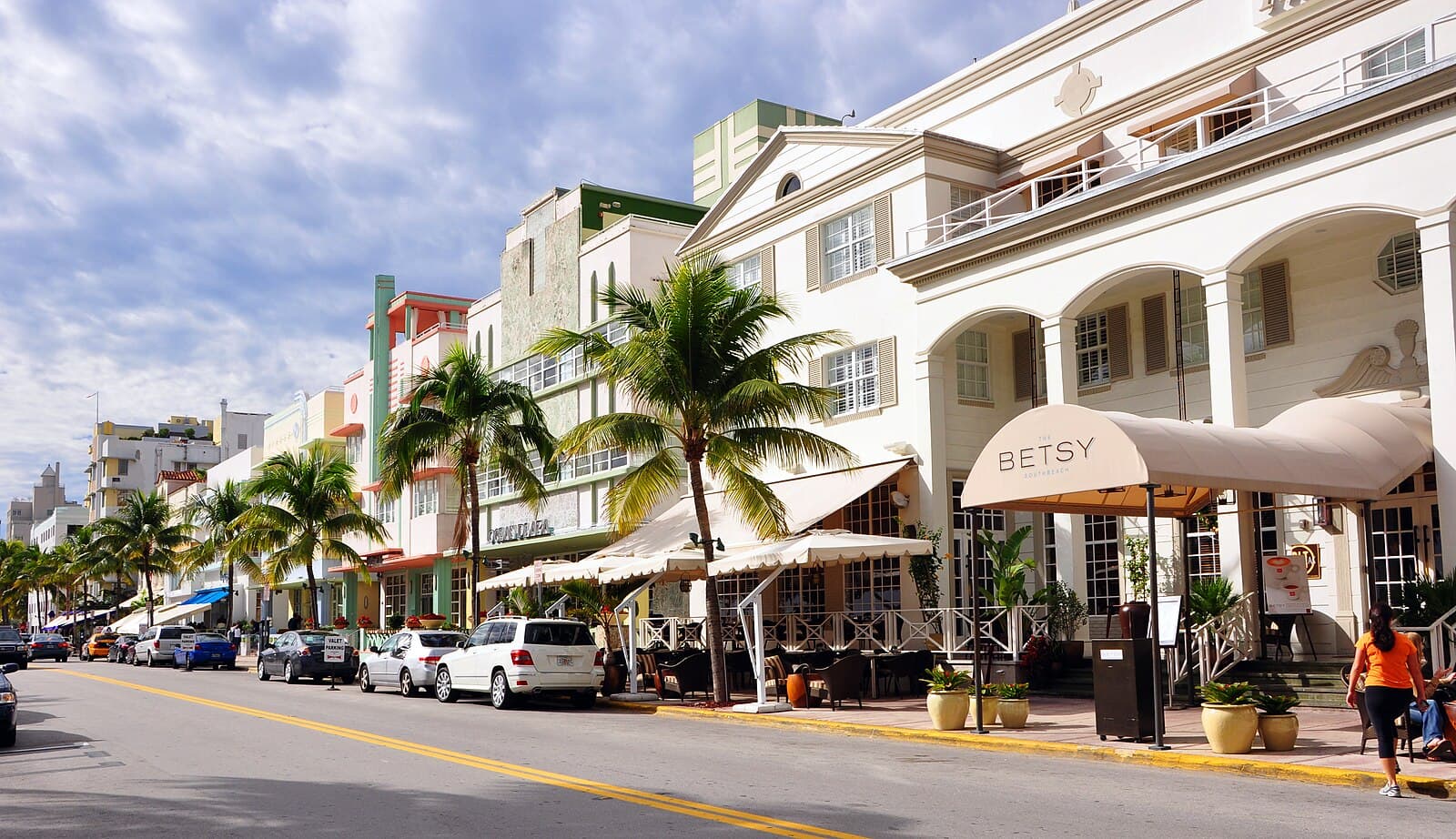
Miami Beach
~80,000 pop · 33139, 33140, 33141
Historic Art Deco apartment, modern oceanfront condo, some SFR in Mid-Beach

Hialeah
~220,000 pop · 33010–33018
SFR + duplex + small multifamily (4–12 units); minimal high-rise

Coral Gables
~50,000 pop · 33134, 33143, 33146, 33156
Luxury condo (downtown), high-end SFR (Old Cutler, Sunset), mid-rise apartment
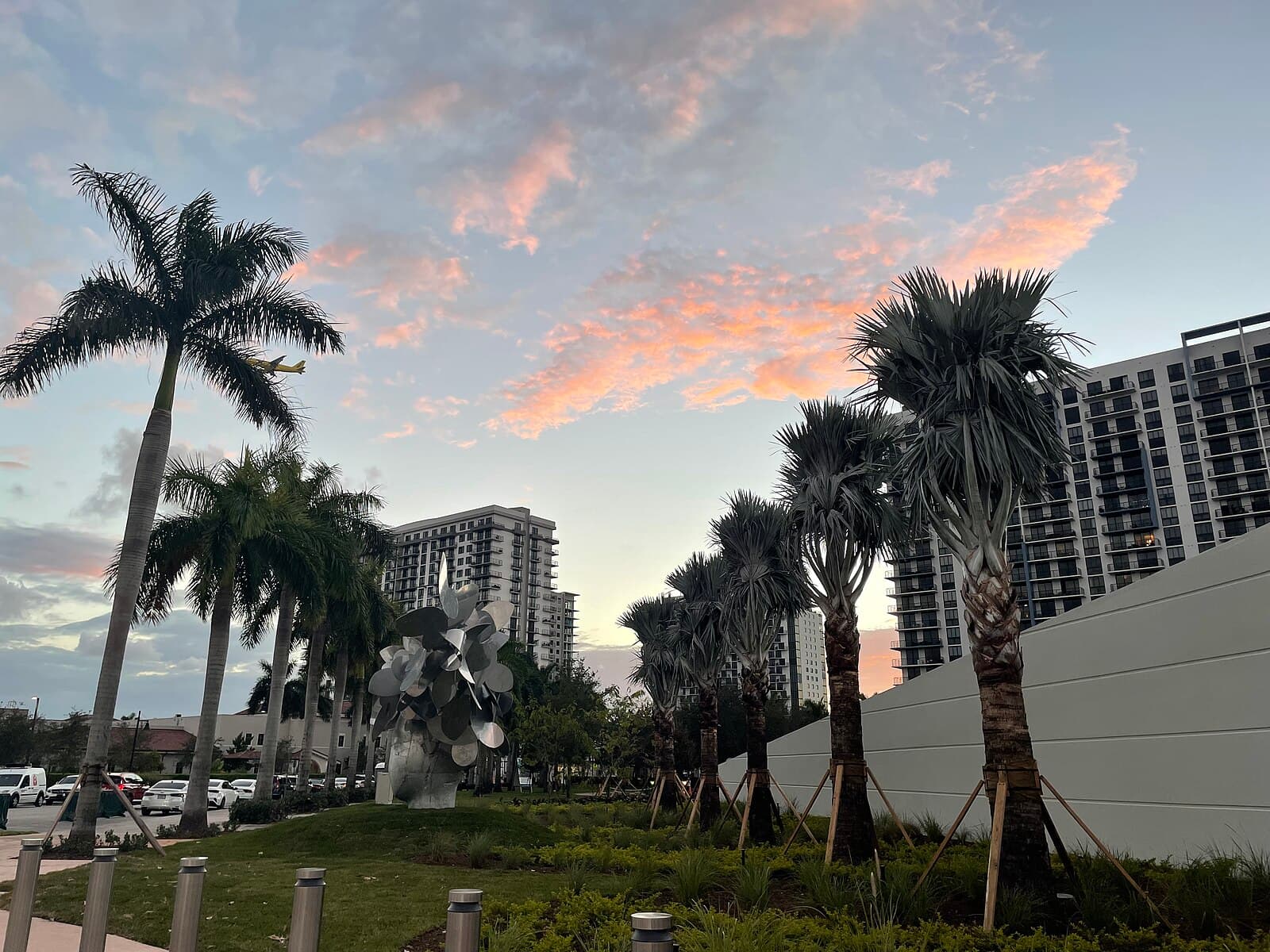
Doral
~75,000 pop · 33122, 33126, 33172, 33178
Newer mid-rise and high-rise condos, gated SFR communities, corporate housing

Kendall
~75,000 pop · 33156, 33173, 33176, 33183, 33186
Predominantly single-family homes and townhomes, with garden apartments and small condo developments

Homestead
~80,000 pop · 33030, 33032, 33033, 33034, 33035
SFR, mobile home parks (Ch. 723 territory), small multifamily, some agricultural worker housing
Miami-Dade eviction: frequently asked questions
What is the filing fee to evict a tenant in Miami-Dade County?
The Miami-Dade Clerk of Courts charges $185 to file a residential eviction complaint (summary procedure). Each additional defendant adds $10 for service of process. Sheriff lockout service costs approximately $40 per address. Total out-of-pocket filing costs typically run $225–$275 for a single-defendant case.
How long does an eviction take in Miami-Dade?
An uncontested non-payment eviction in Miami-Dade typically takes 3–5 weeks from notice service to writ of possession: 3 business days for the notice period, about 1 week to file and serve the complaint, 5 business days for the tenant to respond, and 1–2 weeks for the Sheriff lockout after judgment. Contested cases can take 60–90 days.
Which Miami-Dade courthouse handles residential evictions?
File in Miami-Dade County Court at the district location for the property's address: the Clerk requires landlord-tenant cases to be filed in the district where the property is located, and the Clerk's Eviction Filing Court Location Finder gives the right courthouse. You can also file electronically through the Florida Courts E-Filing Portal at myflcourtaccess.com. Bring two copies of your eviction complaint and the original statutory notice you served on the tenant.
Can I evict a tenant in Miami without a lawyer?
Individual landlords can represent themselves (pro se) in Miami-Dade County Court. However, LLCs, corporations, partnerships, and trusts must be represented by a Florida-licensed attorney under Florida law. Filing as an LLC without an attorney will result in dismissal: this is the single most common reason self-filed evictions fail.
Do city-level tenant ordinances apply in Miami-Dade?
No. Florida HB 1417 (effective July 1, 2023, codified at Fla. Stat. § 83.425) preempted all city- and county-level landlord-tenant ordinances statewide. Earlier tenant protection ordinances passed by the City of Miami, Miami Beach, and Miami-Dade County are no longer enforceable. State law under Chapter 83 alone governs landlord-tenant relationships in Florida.
Ready to start your Miami-Dade eviction?
Generate a Florida-compliant statutory notice in 90 seconds. A specialist will call within one business day to discuss filing.
Generate My Free Notice